How Foot Guards Work
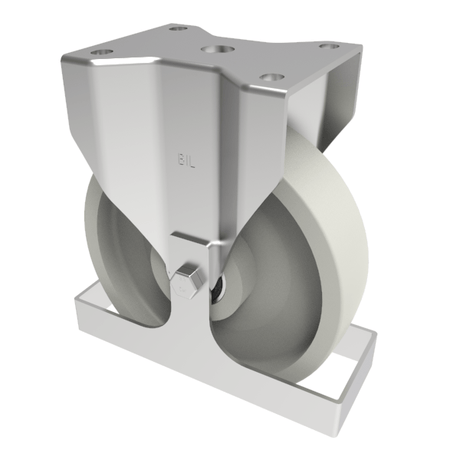
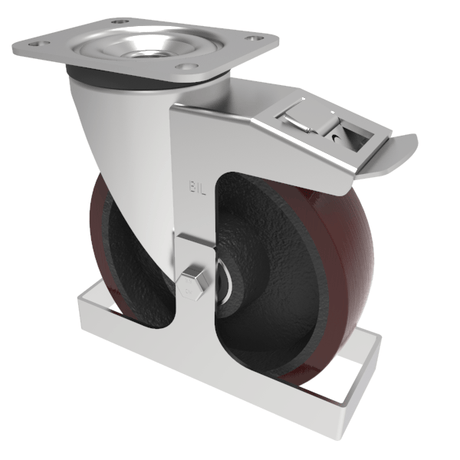
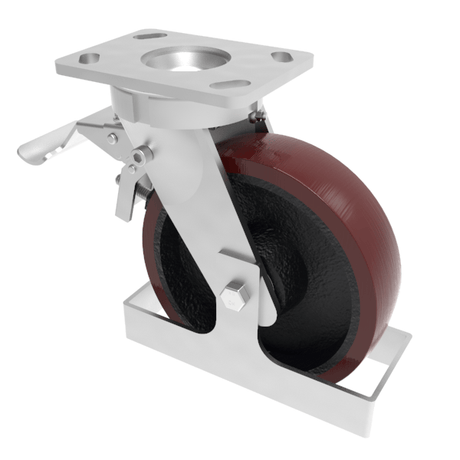
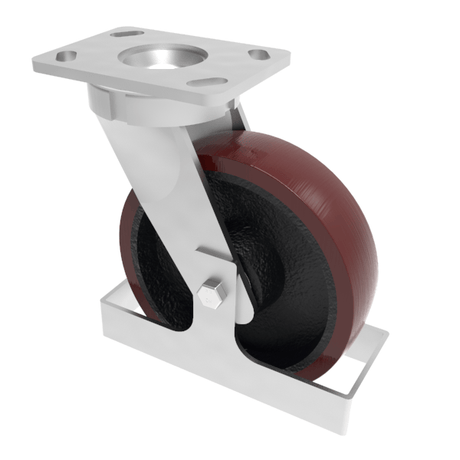
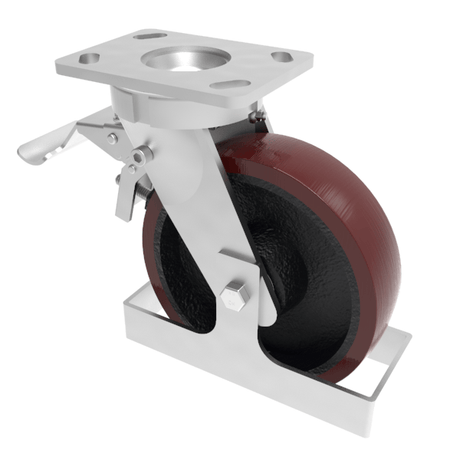
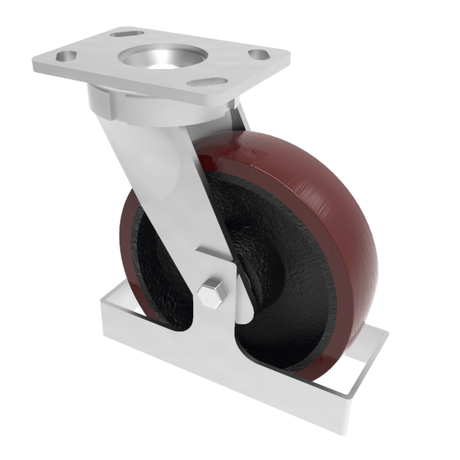
The guard sits close to the wheel's leading edge, physically blocking the gap where a foot could otherwise slip underneath as the castor rolls forward. This simple addition significantly reduces the risk of injury in busy working environments.
Where Foot Guard Castors Are Required
These castors are especially valuable in healthcare, hospitality, retail and warehouse settings where trolleys are frequently moved through areas with foot traffic, and where minimising injury risk is a priority.
Compliance and Safety
Foot guard castors support workplace safety obligations by reducing a common cause of manual handling injuries. They're a straightforward, cost-effective way to improve equipment safety without compromising mobility.
Choosing the Right Castor
Foot guard castors are available in swivel and fixed formats, various wheel materials and load capacities. Our team can help match the right specification to your equipment and working environment.
A Simple Step Toward a Safer Site
Incorporating foot guard castors into your equipment specification is a low-cost, high-impact way to reduce a common and preventable workplace injury. Beyond the immediate safety benefit, reducing trapping incidents can lower absence rates, minimise liability exposure and support a broader culture of safety awareness. Many organisations now specify foot guards as standard on all new mobile equipment purchases, making it easy to build safer habits into procurement from the outset rather than retrofitting after an incident occurs. Speak to our team to find a foot guard solution that keeps your team safe without compromising on day-to-day performance.