How Fixed Position Brake Castors Work
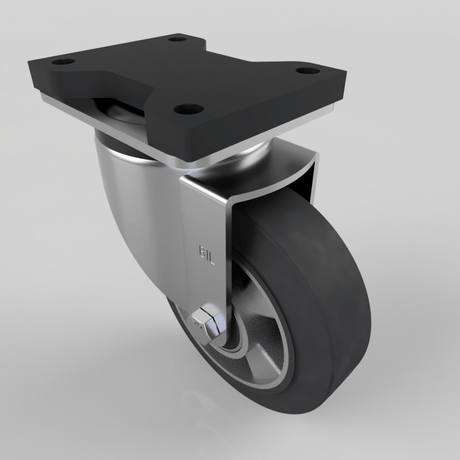
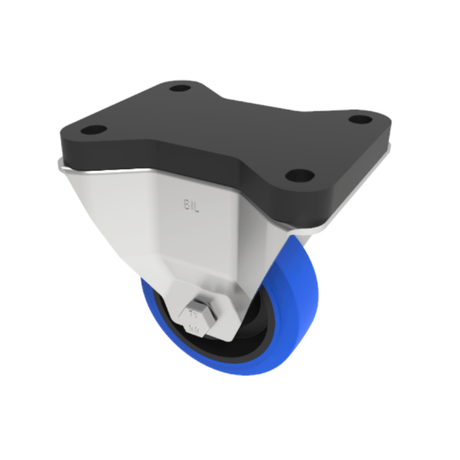
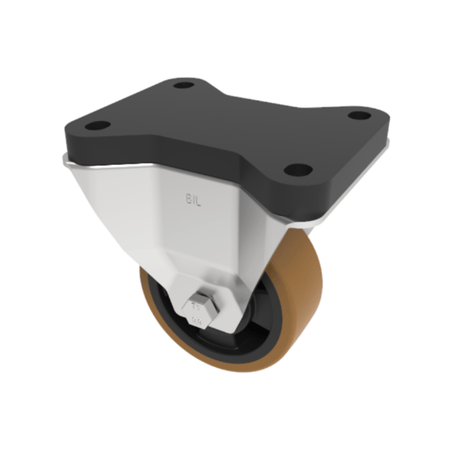
Unlike swivel castors, fixed castors travel in one direction only, reducing wandering on trolleys and carts that need to move predictably along a set path. The built-in brake locks the wheel in place, preventing unwanted movement during loading, unloading or static use.
Common Applications
These castors are widely used on industrial trolleys, workbenches, cages and transport equipment across warehouses, factories and distribution centres, particularly where equipment is pushed or pulled along fixed routes.
Key Benefits
Fixed position brake castors offer excellent load stability, reduced wheel wear from unnecessary turning, and reliable braking for operator safety. They're often paired with swivel brake castors on the same piece of equipment to combine manoeuvrability with directional control.
Choosing the Right Castor
Consider your load capacity, wheel material and floor surface when selecting a fixed brake castor. Our team can advise on the best combination for your specific equipment and working environment, ensuring safe, long-lasting performance.
Maintenance and Longevity
Like any moving component, fixed brake castors benefit from periodic checks to ensure the brake mechanism engages fully and the wheel bearing runs freely. Regular inspection helps identify wear before it affects performance, extending the working life of both the castor and the equipment it's fitted to. Choosing quality materials from the outset, such as precision bearings and wear-resistant tyres, reduces long-term maintenance demands and keeps trolleys and workstations running safely, even in high-frequency industrial environments where downtime is costly. Whether specifying new equipment or upgrading existing trolleys, fixed brake castors are a small component that makes a measurable difference to daily safety and efficiency.